Welcome To Reiki Therapy
It All Begins Here
What is Reiki Therapy
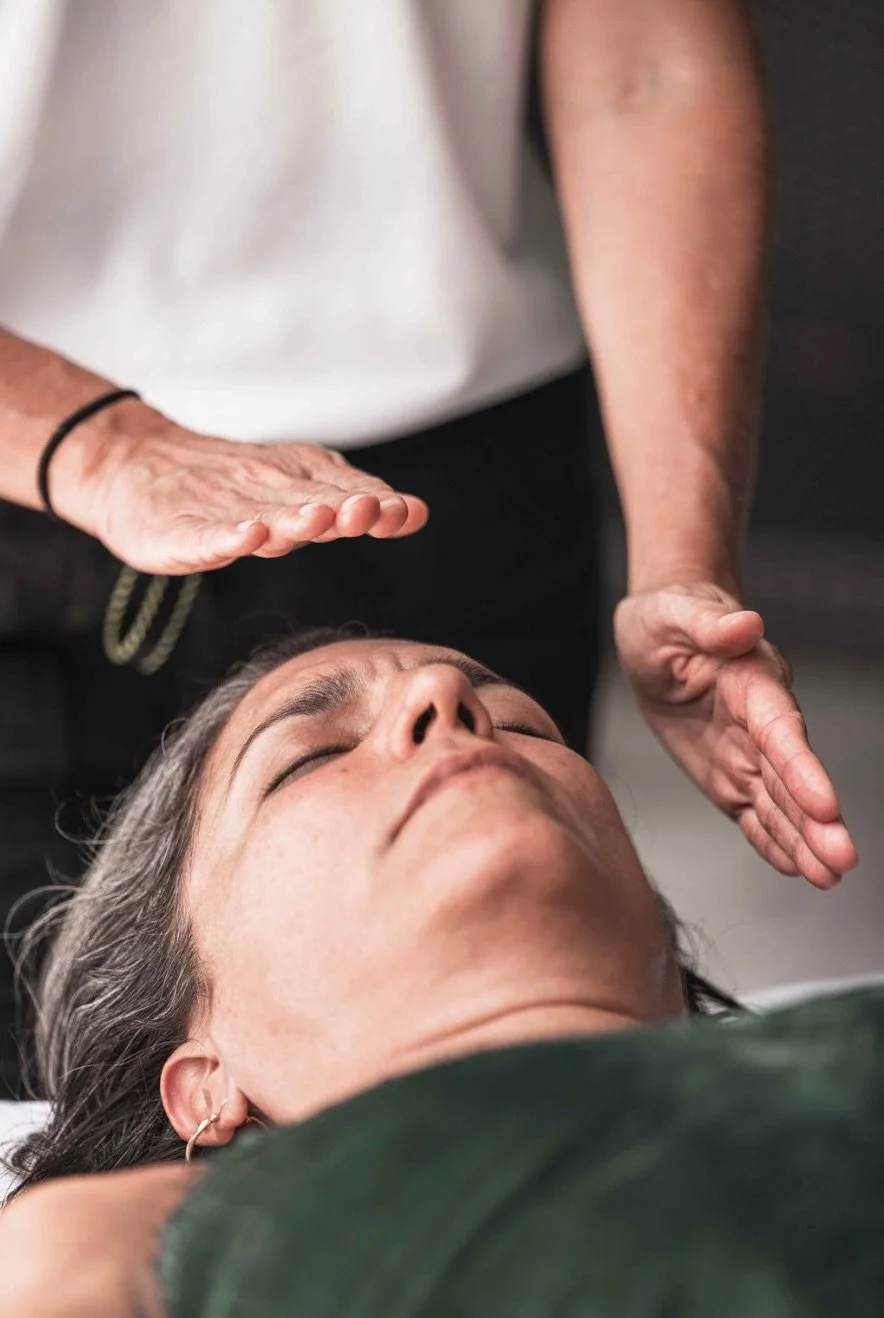
Reiki is an ancient Japanese complementary healthcare practice focused on stress reduction, deep relaxation, and holistic wellness. Derived from the Japanese words "Rei" (universal) and "Ki" (life energy), this non-invasive modality utilizes gentle, light hand placements to encourage a state of physiological rest and self-regulation
Historical Origin
It All Begins Here
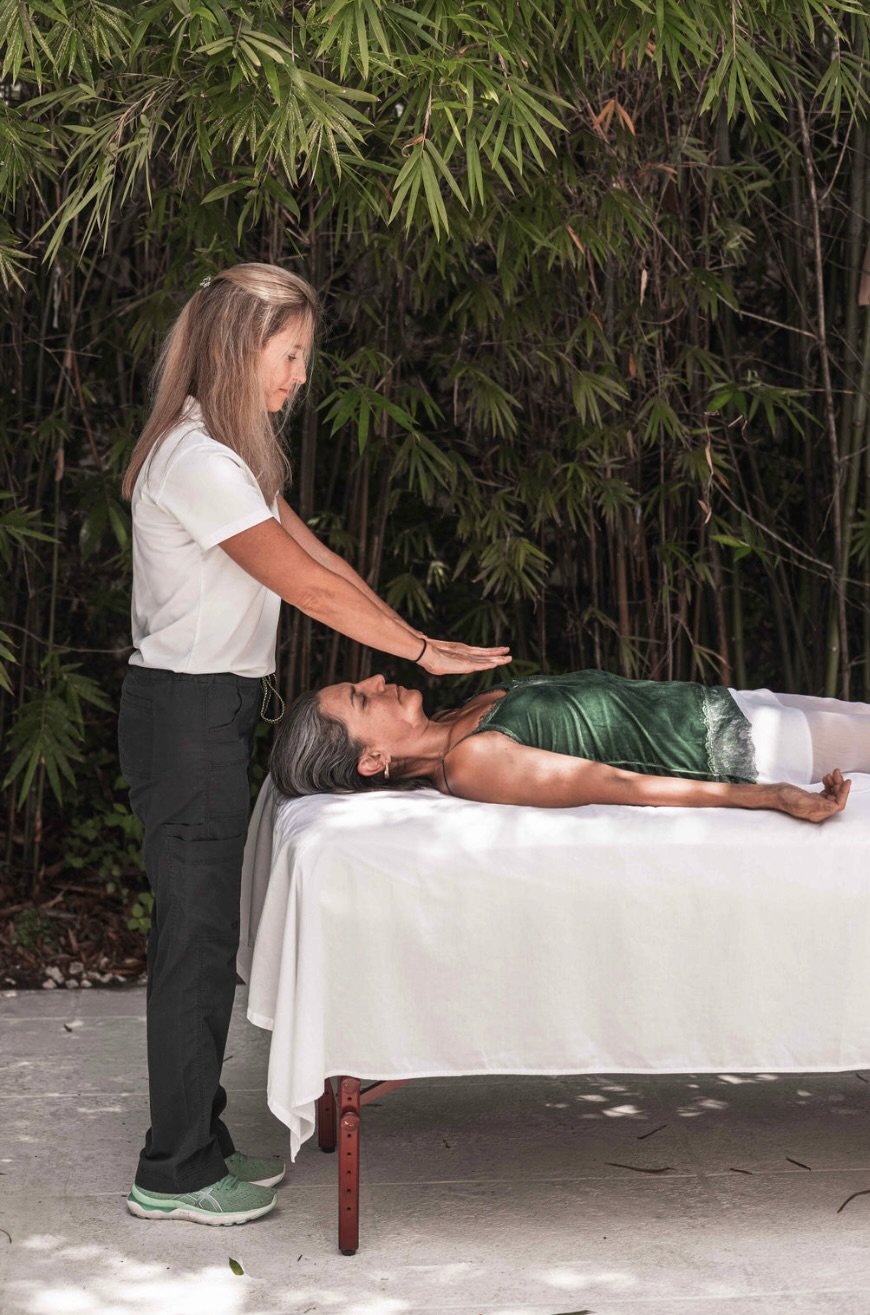
The system of Reiki practiced globally today was founded in early 20th-century Japan by Mikao Usui (1865–1926). Drawing from classical Japanese spiritual traditions, Buddhist philosophies, and early energetic concepts, Usui established his first clinical society in Tokyo in 1922. The practice was later introduced to the Western world via Hawaii by Hawayo Takata, evolving into a widely recognized international contemporary complementary therapy.
Clinical Research & Benefits
It All Begins Here
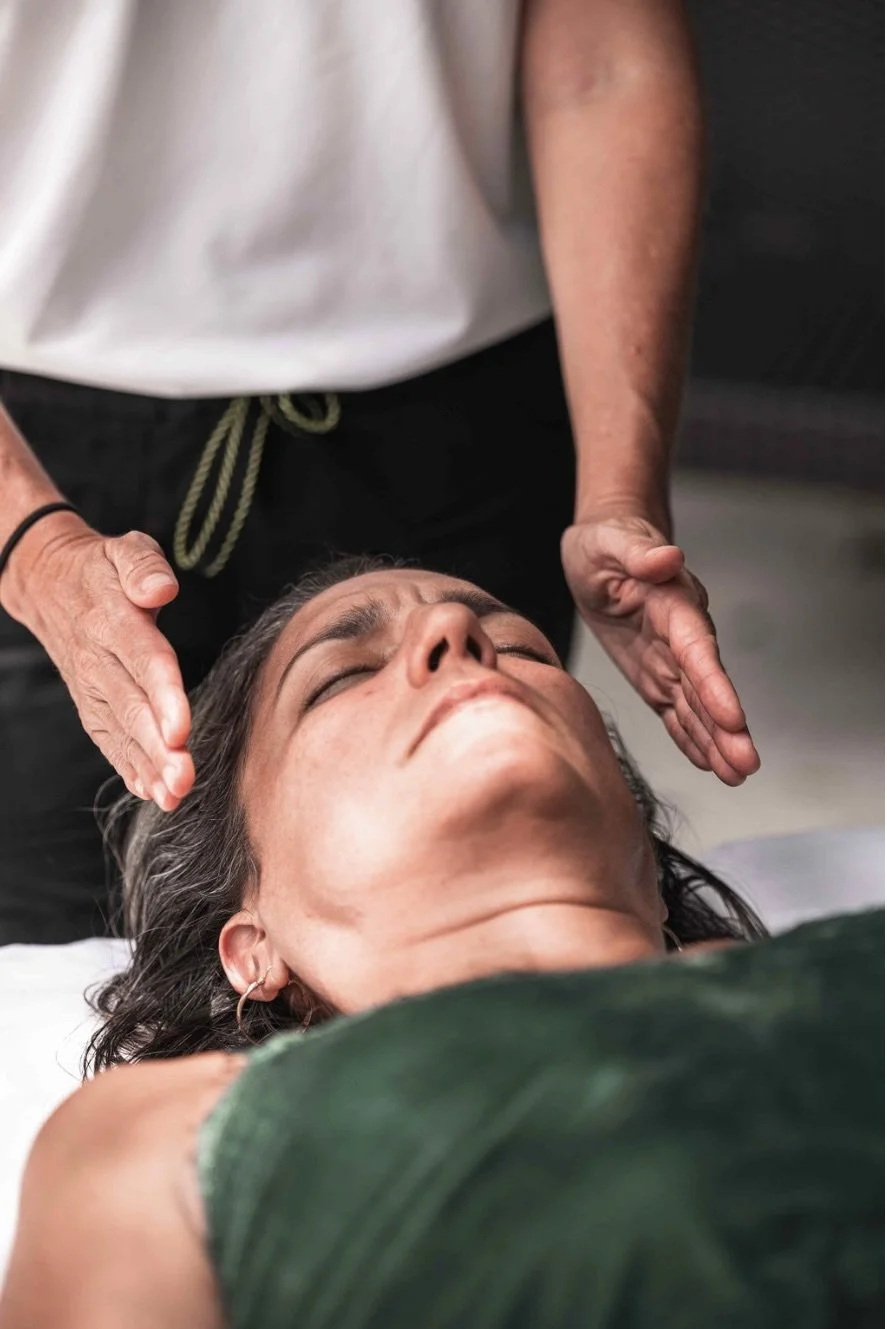
While biological science does not currently measure or track a "universal energy field", a growing body of peer-reviewed clinical research published in databases like PubMed evaluates the physiological impacts of the therapy.
Anxiety and Stress Mitigation: Recent systematic reviews indicate that short-term Reiki interventions (ranging from 3 to 8 sessions) significantly reduce situational and procedural anxiety across diverse clinical populations.
Pain Management: Clinical trials show promising results for Reiki as a supportive tool for improving pain tolerance, easing fatigue, and enhancing the overall quality of life for individuals undergoing intensive health treatments.
Autonomic Nervous System Support: Studies monitoring markers such as heart rate, blood pressure, and cortisol levels suggest Reiki safely activates the parasympathetic ("rest and digest") nervous system, assisting the body in mitigating chronic stress
Integration in Modern Healthcare
It All Begins Here
Integration in Modern Healthcare
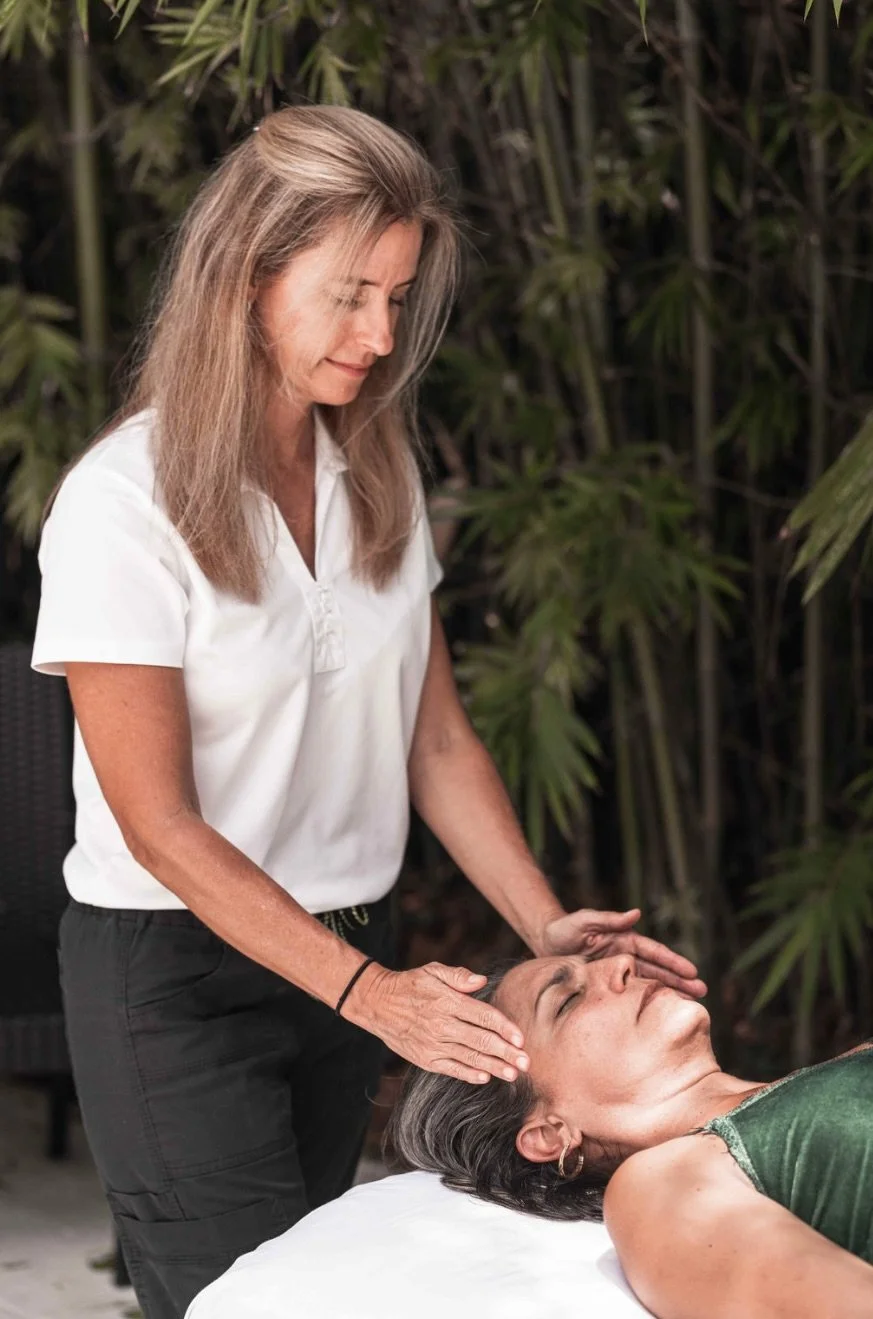
According to institutional data reported by organizations like the National Center for Complementary and Integrative Health (NCCIH), Reiki carries no known harmful side effects. Because it is non-invasive and safe, it does not interfere with standard medical protocols. Today, Reiki is frequently integrated into integrative oncology programs, palliative care units, and nursing workflows worldwide to maximize patient comfort and emotional well-being.