Blog

What is CST…
🌟 What is Craniosacral Therapy?
Origin: Developed by osteopathic physician John E. Upledger in the 1970s.
The Method: Uses an incredibly light touch—roughly 5 grams, or the weight of a nickel—to evaluate and adjust the craniosacral system.
The System: Targets the membranes and cerebrospinal fluid that surround, protect, and nourish the brain and spinal cord.
The Goal: To eliminate restrictions in the fascia, allowing the central nervous system to self-correct and heal naturally.

what to expect..
💆♀️ What to Expect During a Session
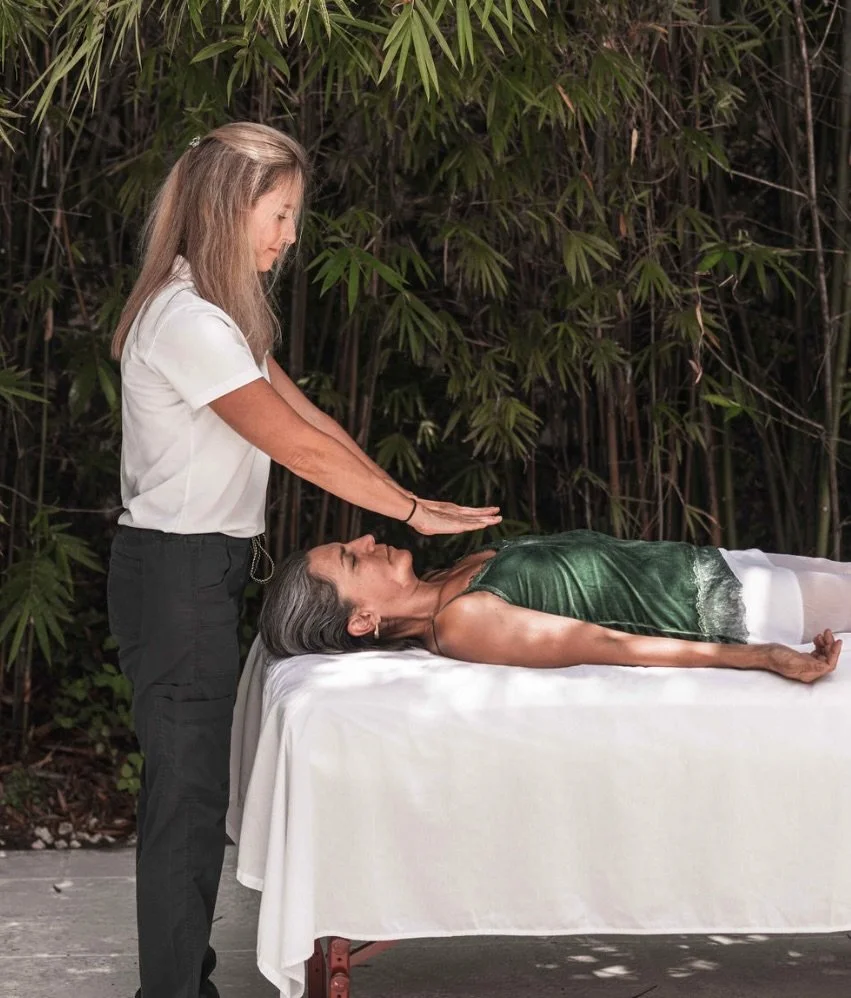
Attire: Clients remain fully clothed throughout the appointment.
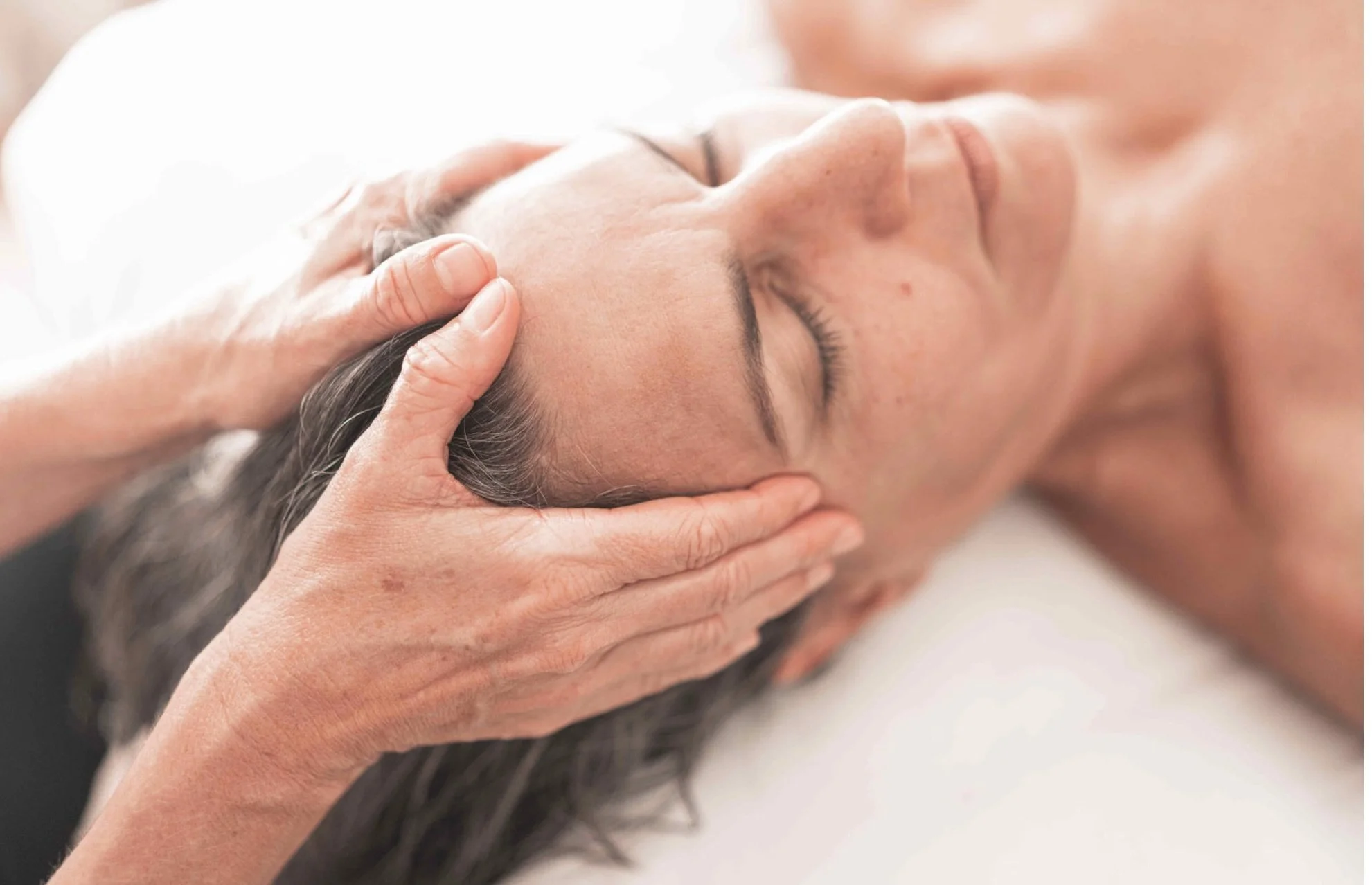
Position: Most of the session is spent lying comfortably face-up on a padded massage table.
Placement: The practitioner subtly places their hands on specific areas, including the skull, spine, sacrum (lower back), and feet.
Sensation: It is deeply relaxing; clients often experience a profound sense of calm, light tingling, or may even fall asleep.
Duration: A typical session lasts between 60 to 90 minutes.
Common conditions…
🩹 Common Conditions Addressed
CST is frequently utilized as a complementary care method to help manage or alleviate symptoms associated with..
Chronic Pain: Including chronic neck pain, back pain, and joint issues.
Headaches: Tension headaches and severe migraines.
Stress & Mental Health: High stress, anxiety, somatic depression, and PTSD.
Neurological & TMJ Issues: Temporomandibular joint dysfunction (jaw tightness) and post-concussion syndrome.
Sleep Disturbances: Insomnia and poor sleep quality.
Safety…
⚠️ Safety, Side Effects, & Contraindications
For a trustworthy website, transparency regarding safety is crucial for client onboarding:
Suitability: Because it uses virtually no forceful bone manipulation or joint cracking, it is safe for all ages—from newborns to the elderly.
Temporary Post-Effects: Some clients report mild fatigue, a light headache, or emotional release for 24 to 48 hours as the body integrates the adjustments.
Strict Contraindications: CST should not be performed on individuals with conditions where changes in intracranial pressure are dangerous, such as an active cerebral hemorrhage, acute stroke, aneurysm, or a cerebrospinal fluid leak.